

How Art Therapy Activities benefit young children
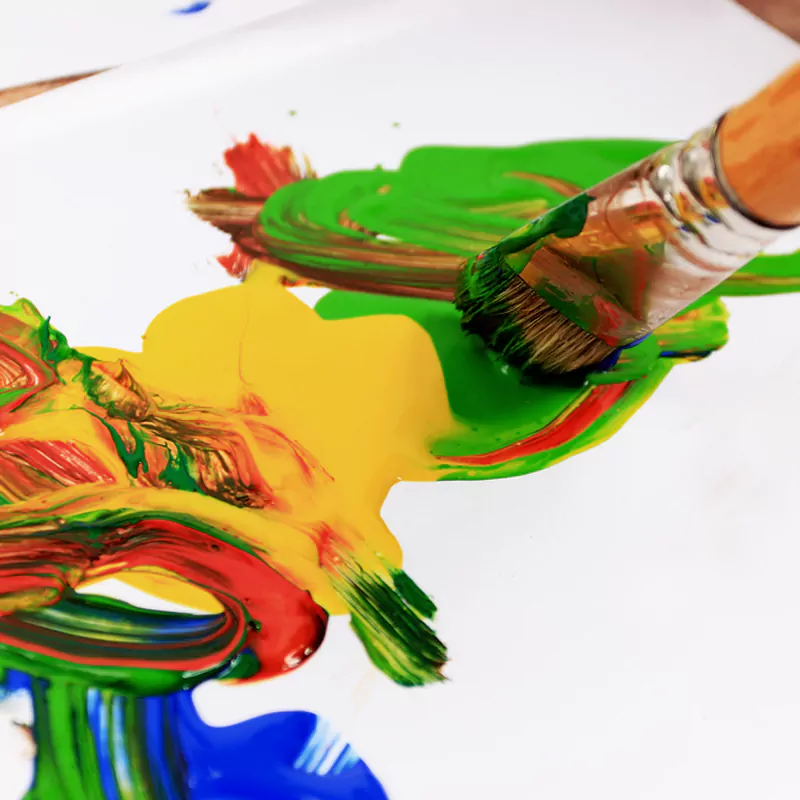
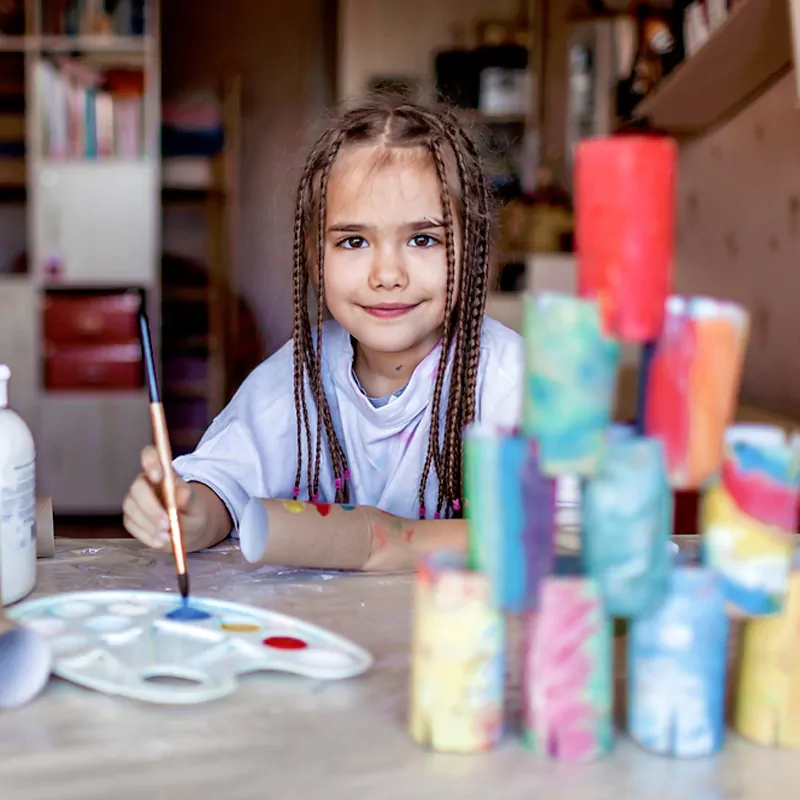
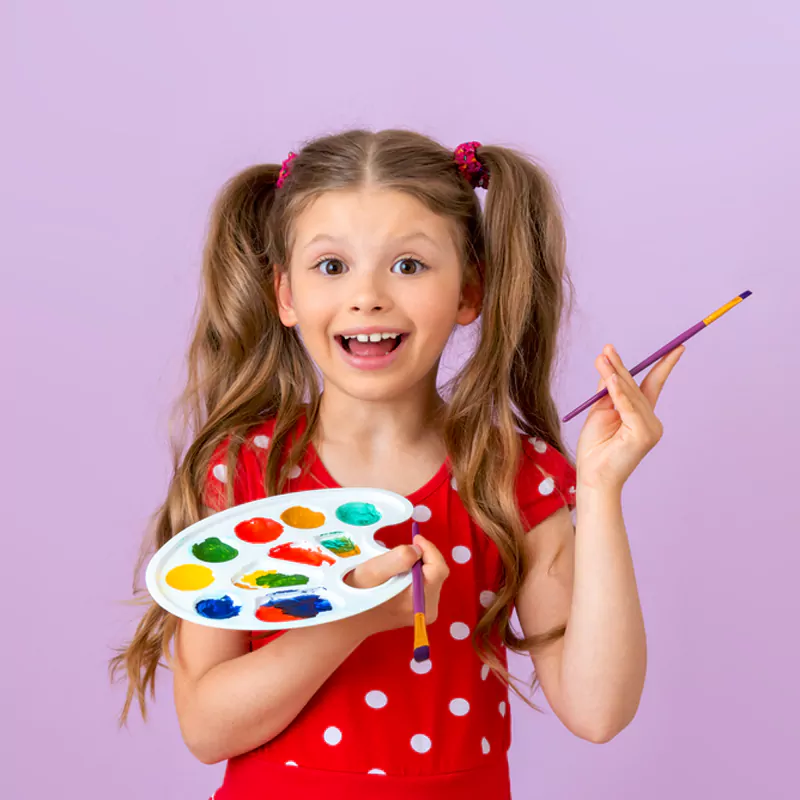
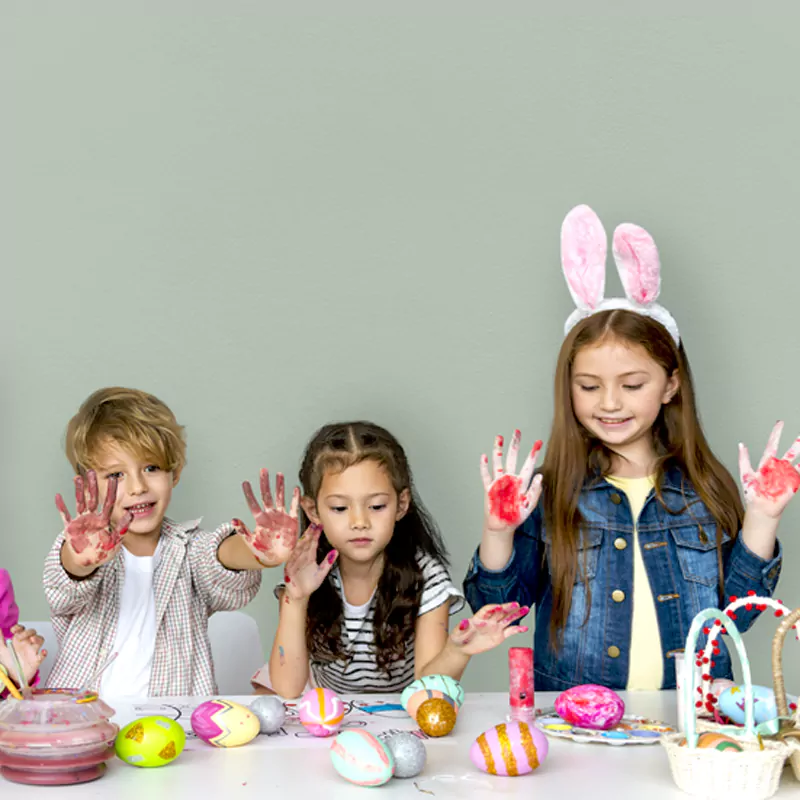
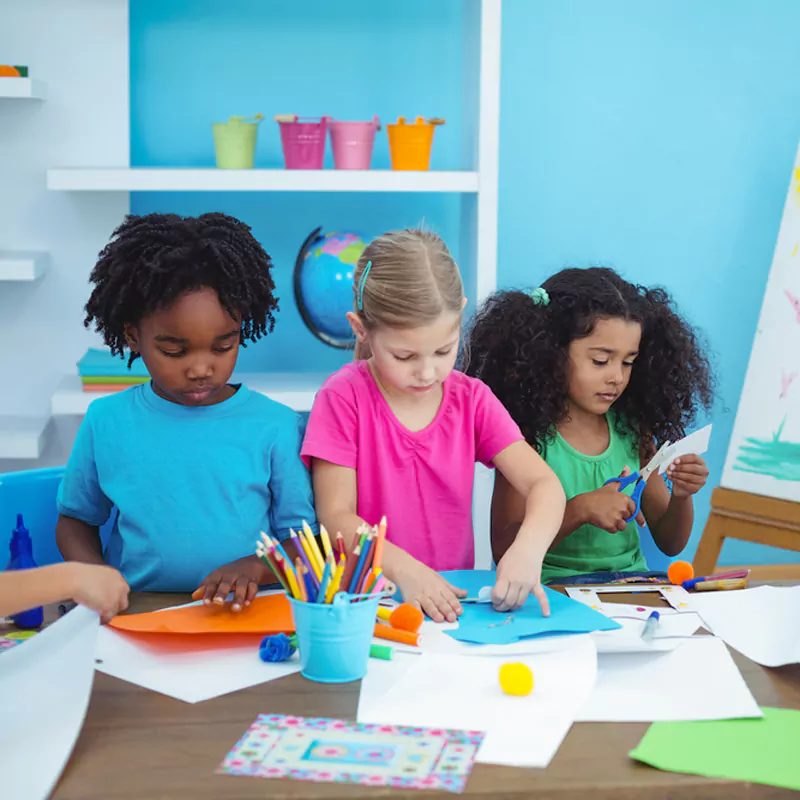
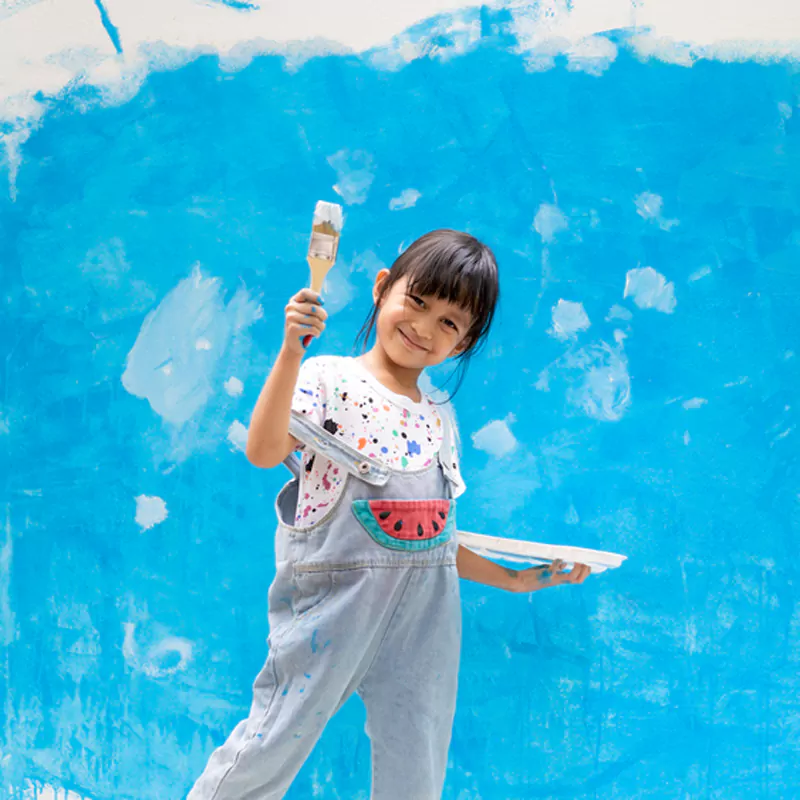
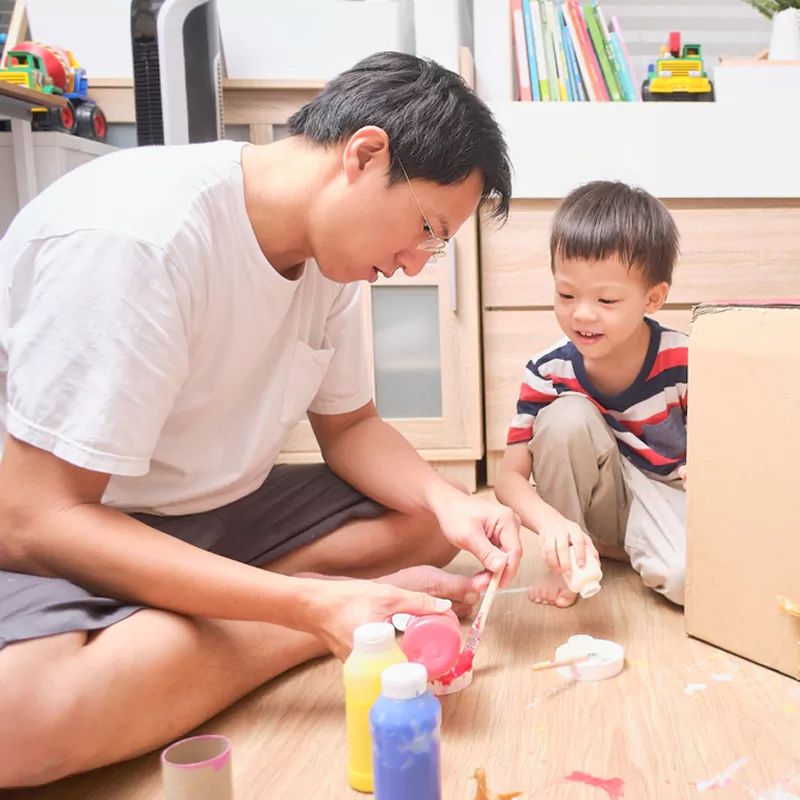
For many of us, when we think of art, we tend to think that it’s not for us. Either you think you are not very creative or feel that your child is too young to indulge in art. But there’s more to art than merely playing with paints or being good at doodling.
The fact is, allowing your brain the freedom for free expression, even by doodling, can have a remarkable impact on how you process, retain, and share information. The same thing can be expected from a child even if she doesn’t take to art as a duck takes to water.
Don’t confuse art therapy with play therapy. Because art-making, within the context of therapy, is a slightly different experience from play because it encourages the creation of a tangible product in most cases.
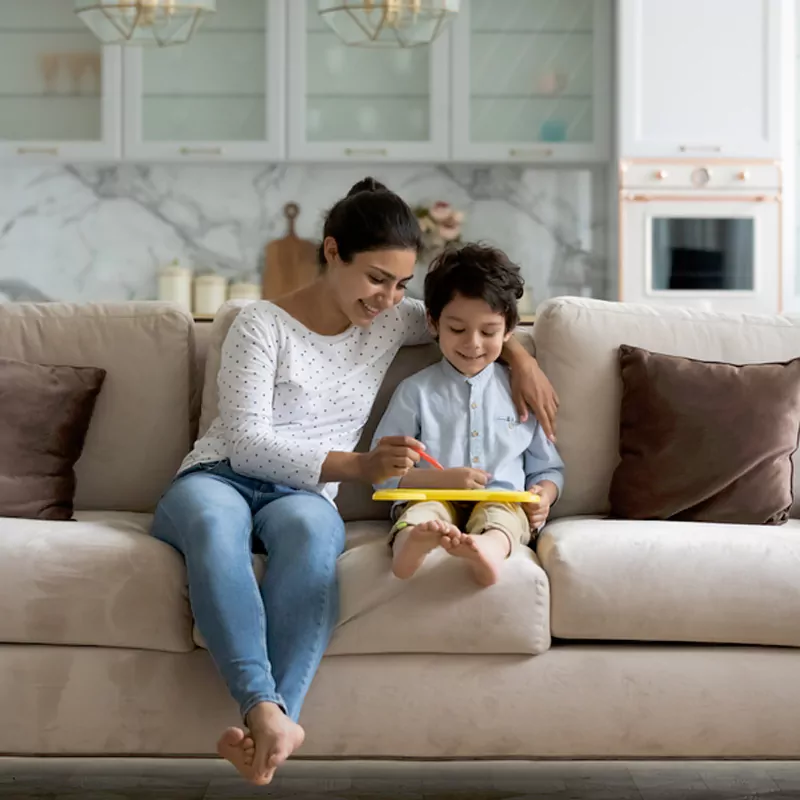
Art Therapy for behaviour problems is generally defined as a blended field of therapeutic practices that combine art and psychology. By utilizing the creative process, artistic techniques, and external artwork, art therapy supports a child to develop self-awareness, and explore emotions to help address an unresolved conflict or trauma.
Send Us A Message

Contact Details
- Name Milestone Electric, A/C, & Plumbing
- Full Address 5414 Forest Ln, Dallas, TX 75229
- Phone -2
- E-mail howdy@callmilestone.com
- Fax
- Website https://callmilestone.com/dallas/plumbing/